Low-frequency airborne noise from the barbell area of a gym
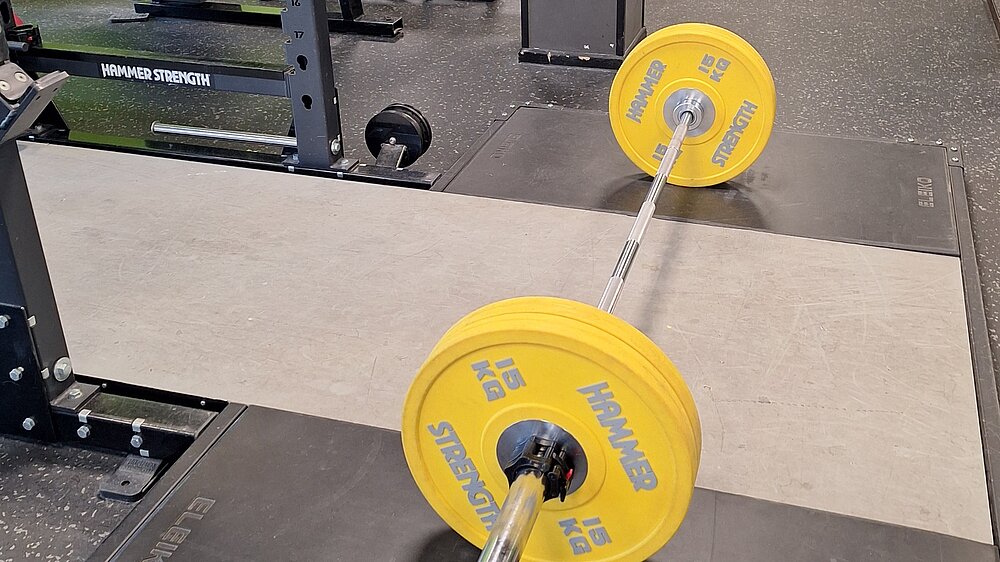
In a multi-purpose building in the city centre, noise from the barbell area of a gym led to disputes over its use with neighbouring flats. Based on detailed measurements, the causes were analysed and appropriate noise control measures were developed.
At a glance
| Industry: | Health and fitness sector |
| Object: | Gym |
| Expertise: | Noise and vibration measurements Specialist building acoustics |
| Location & period: | Hamburg 2026 |

Initial situation
A multi-purpose building in a central city-centre location combines a variety of uses under one roof. Whilst the basement houses underground car parks and the ground floor contains retail units and a gym, the upper floors are used for residential purposes. When the gym was in operation, disruptive noise emissions were caused in adjacent areas.
Mission
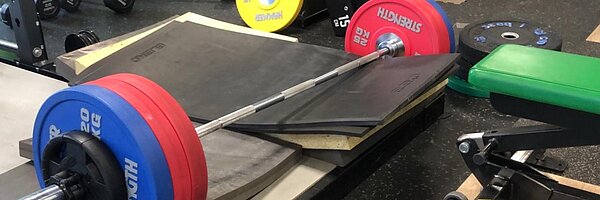
Müller-BBM Industry Solutions was commissioned to investigate the noise exposure situation in the flats above the gym and in neighbouring commercial premises. The focus was on secondary airborne noise.* The vibrations resulting from the impact of the barbells are transmitted through the building structure and radiated as audible noise into the adjoining rooms.
* No binding regulations or guideline values were available for assessing the secondary airborne noise immissions from the gym. The impact on the residential use was therefore assessed, as a fallback, on the basis of the Technical Instructions on Noise Control (TA Lärm), and, in the case of low-frequency noise, additionally in accordance with DIN 45680.
Measurements
Preliminary investigations
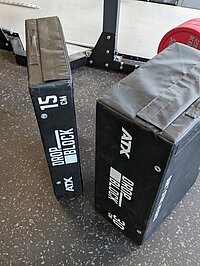
Initial measurements carried out under extreme excitation showed that, even with a high-quality sports floor featuring a heavy, floating screed, disruptive noise and vibration immissions can occur from the barbell area. Special impact mats and organisational measures were identified as potential mitigation measures that are already in place.
Long-term monitoring
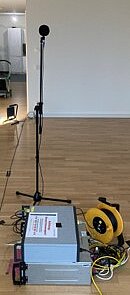
The measurement system used for long-term monitoring consisted of:
- a monitoring system specially programmed by Müller-BBM
- a trigger measurement point in the gym
- microphones in the relevant areas of use
The measurements were taken over a period of four weeks. The monitoring specifically recorded impulse-like sound events caused by barbell training and continuously logged their levels throughout the test period.
Result
The long-term measurements confirmed the disruptive events described by users and made it possible to link them to the actual operational processes at the gym. The findings showed that the sound events investigated were characterised in particular by low-frequency components and, although the noise levels complied with regulations with very few exceptions, they could therefore still be perceived even in the presence of background noise. The investigations provided a sound basis for the professional assessment of the noise exposure situation and the development of appropriate measures directly at source, which make the noise levels significantly more tolerable.