ARTeMIS Modal
Modalanalyse for complex structures
ARTeMIS Modal analyses the dynamic properties of complex structures – accurately, flexibly and whilst they are in operation.
ARTeMIS Modal is a powerful software solution for modal analysis. It enables the identification of dynamic properties such as natural frequencies, mode shapes and damping ratios from measurement data. ARTeMIS supports both classical Experimental Modal Analysis (EMA) (e. g. with impact hammer or shaker excitation) and Operational Modal Analysis (OMA), which is performed under operating conditions with unknown excitation.
- ODS: Operational Deflection Shape analysis for identifying vibration modes under operating load.
- EMA: Experimental Modal Analysis, e. g. using impact hammer or shaker excitation.
- OMA: Operational Modal Analysis under unknown system excitation.
- SHM: Structural Health Monitoring with continuous data acquisition.
- Signal processing: Elimination of interfering signals, such as, spurious harmonics and outliers.
EMA
Do you require a classical modal analysis using impact hammer or shaker excitation? Experimental Modal Analysis is the most reliable method for determining natural frequencies, mode shapes and damping values. The results are load-independent, and the system excitation must be recorded during the measurements.
OMA
Do you want to perform a modal analysis but do not know the system excitation? This is where the true strength of ARTeMIS Modal becomes apparent. Operational Modal Analysis delivers the same results as EMA, but without the need to measure the applied excitation. OMA is used when EMA is not feasible and requires more sensitive sensors.
Typical applications:
- The excitation cannot be measured.
- Measurements are carried out during operation (continuous monitoring).
- Eigenmodes cannot be sufficiently excited (large structures).
ODS
Are you interested in the vibration behavior of a structure under real operating excitation – regardless of whether resonance effects occur or not? Operating Deflection Shapes are load-dependent. ARTeMIS Modal provides established analysis methods in both the time and frequency domain.
SHM
Do you want to continuously monitor a structure and be automatically informed of anomalies in its vibration behavior? ARTeMIS Modal provides advanced procedures for automatically tracking modal parameters, compensating for environmental influences, and detecting even the smallest changes.
Uncertainty Analysis
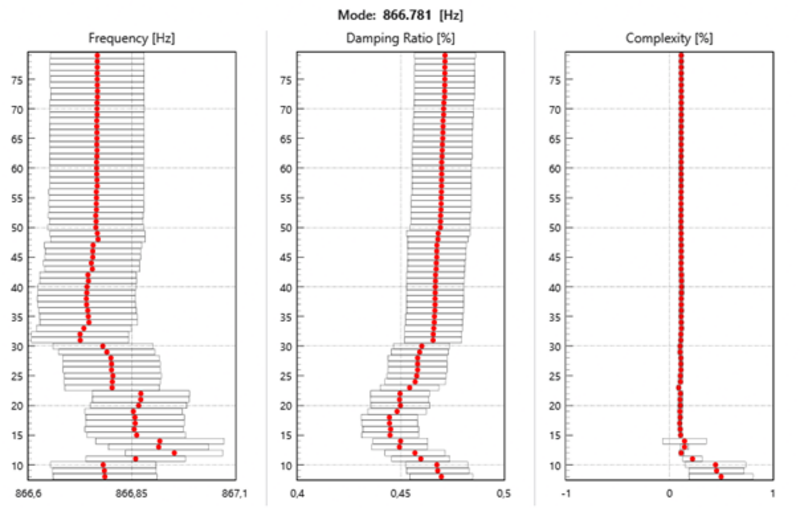
Do you place particular emphasis on uncertainty analysis, especially for OMA? Here, external loads are replaced by stochastic load assumptions, which increases measurement uncertainty. ARTeMIS Modal offers specialized modules for uncertainty analysis, allowing not only modal parameters but also their confidence intervals to be determined (e. g. natural frequency f₁ = 9.1 ± 0.1 Hz).
Your Benefits
1.Resonance
Identify resonance phenomena in buildings, vehicles and machinery. Measurements can be performed during operation.
2.Design Verification
Does the real structure behave as predicted by your finite‑element model? Find out by comparing numerical modal analysis results with measured modal parameters.
3.Model Updating
Looking to adapt your model to measurement results? Results from ARTeMIS Modal provide a solid basis for model calibration, e. g. in FEMtools
4.Tracking
You know the reference values – but do modal parameters change during operation?
5.Disturbing signals
You wanted to perform ambient vibration measurements, but now a harmonic signal component seems to prevent standard evaluation
(e. g. a pump with an excitation frequency close to a natural frequency)? Instead of using digital filters, ARTeMIS Modal offers methods that completely remove disturbing components, even when frequency peaks are closely spaced.
6.Accelerate R&D
Accelerate your research projects by efficiently providing modal parameters using ARTeMIS Modal.
Our offer

License consulting
As independent consultants, we help you identify the right modules – so you only pay for what you truly need.

Hands‑on onboarding
New to the field or enabling your team to perform EMA and OMA independently for the first time? We train your staff on the software, optionally on site and with direct reference to your projects.

Theory training
Depending on your needs, we tailor training courses covering the theoretical background, assumptions and limitations.

Technical support
We support you with all technical questions related to the software.
Applications
Buildings and infrastructure
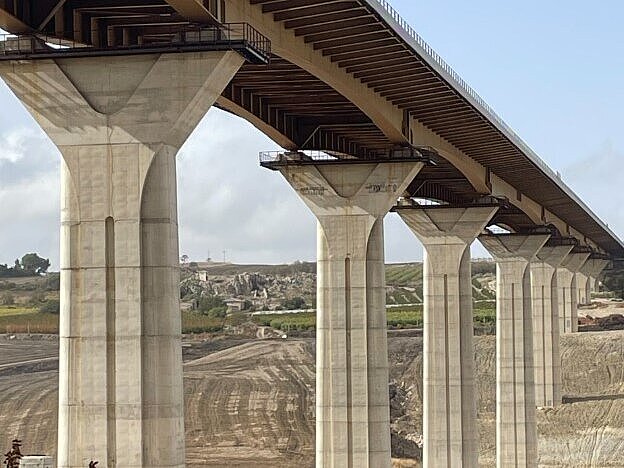
Large bridges, dams, skyscrapers, bell towers, and high rope courses
Maritime Systems
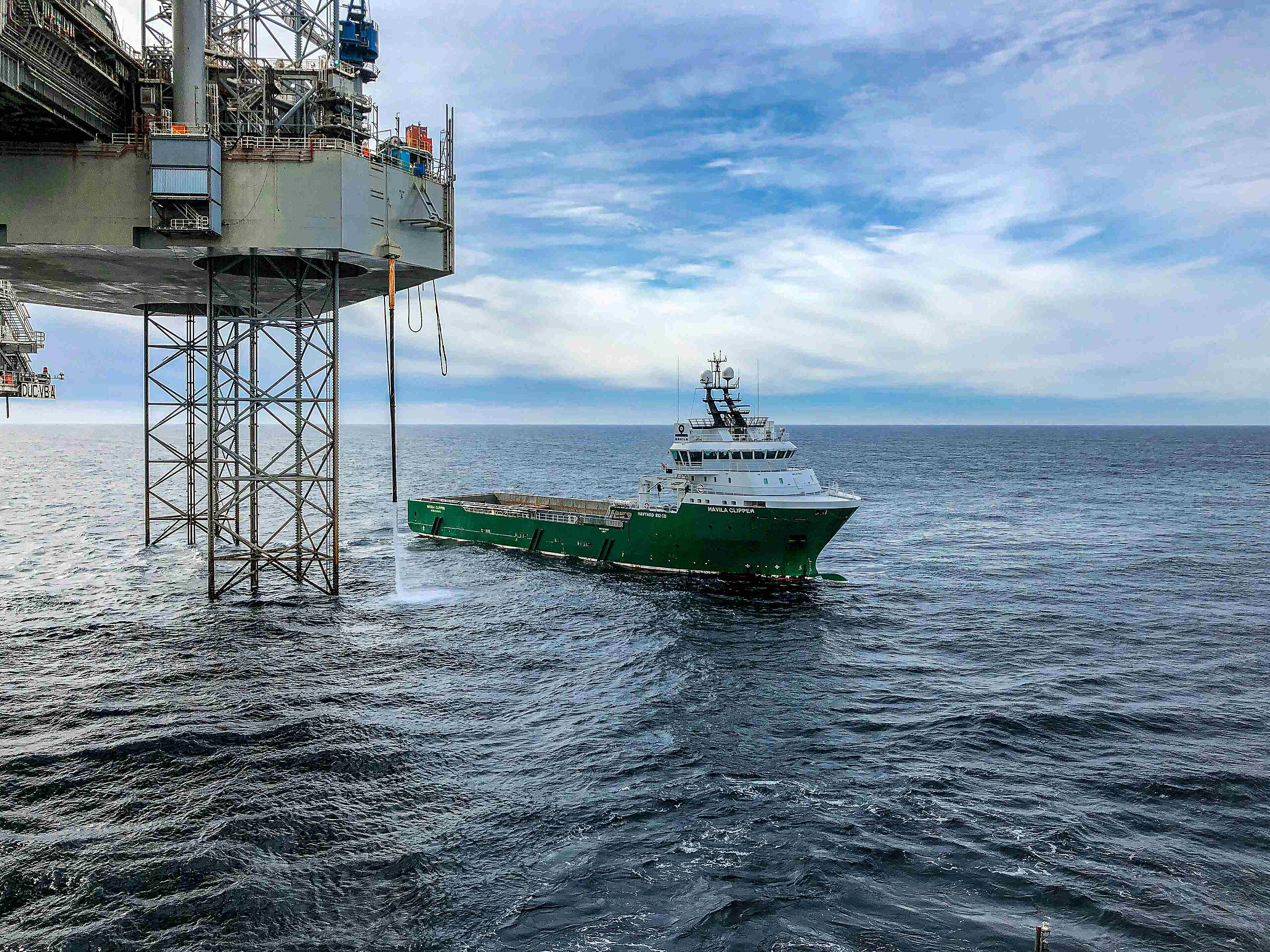
Ships, naval and offshore installations
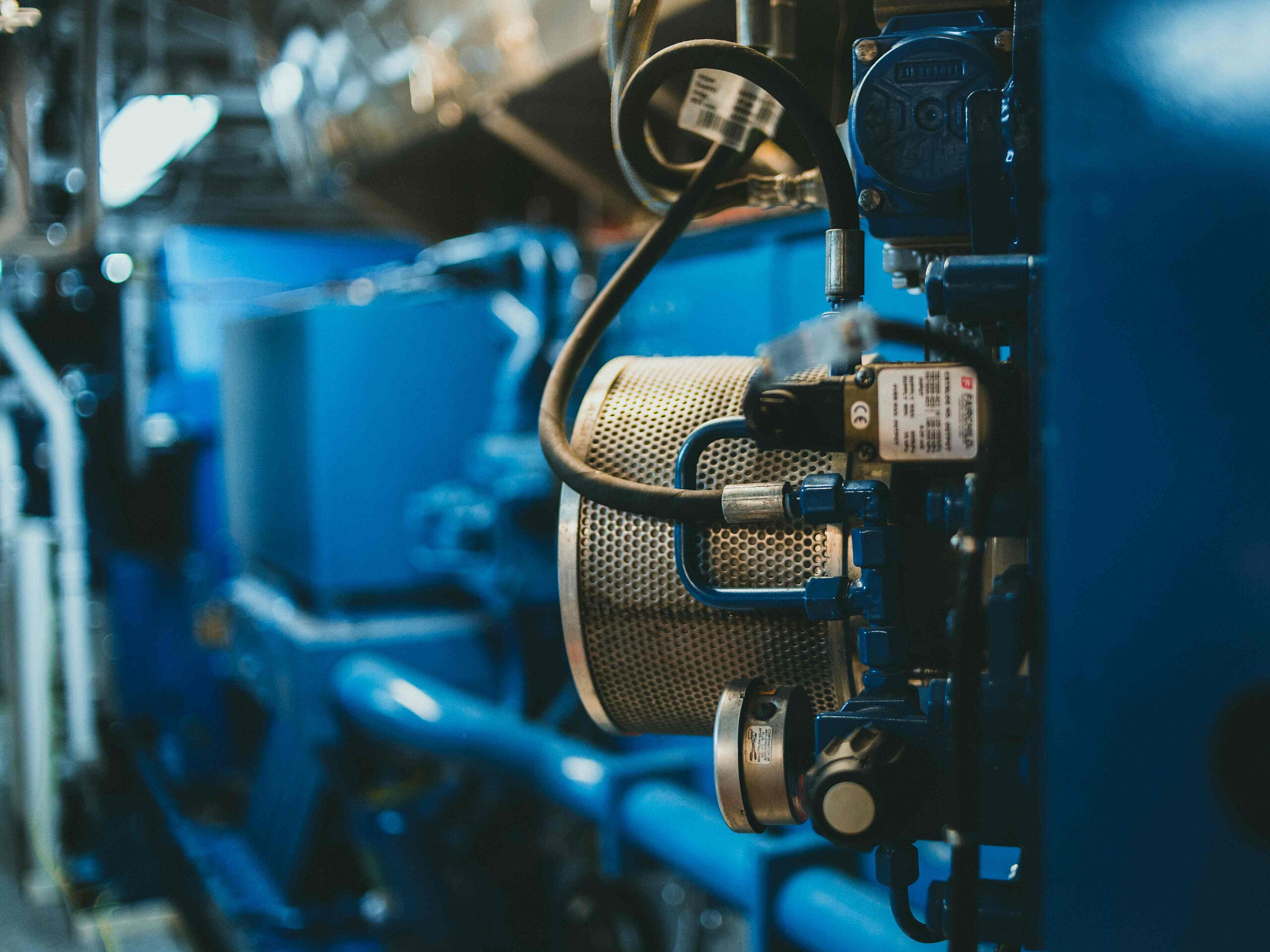
Technical installations
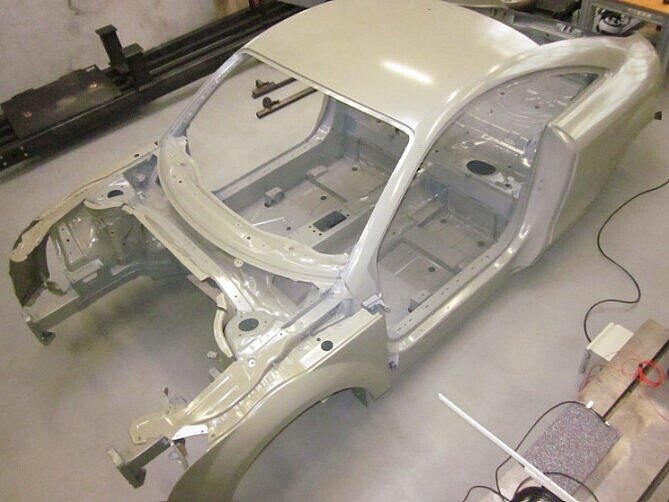
Wind turbines, and machinery
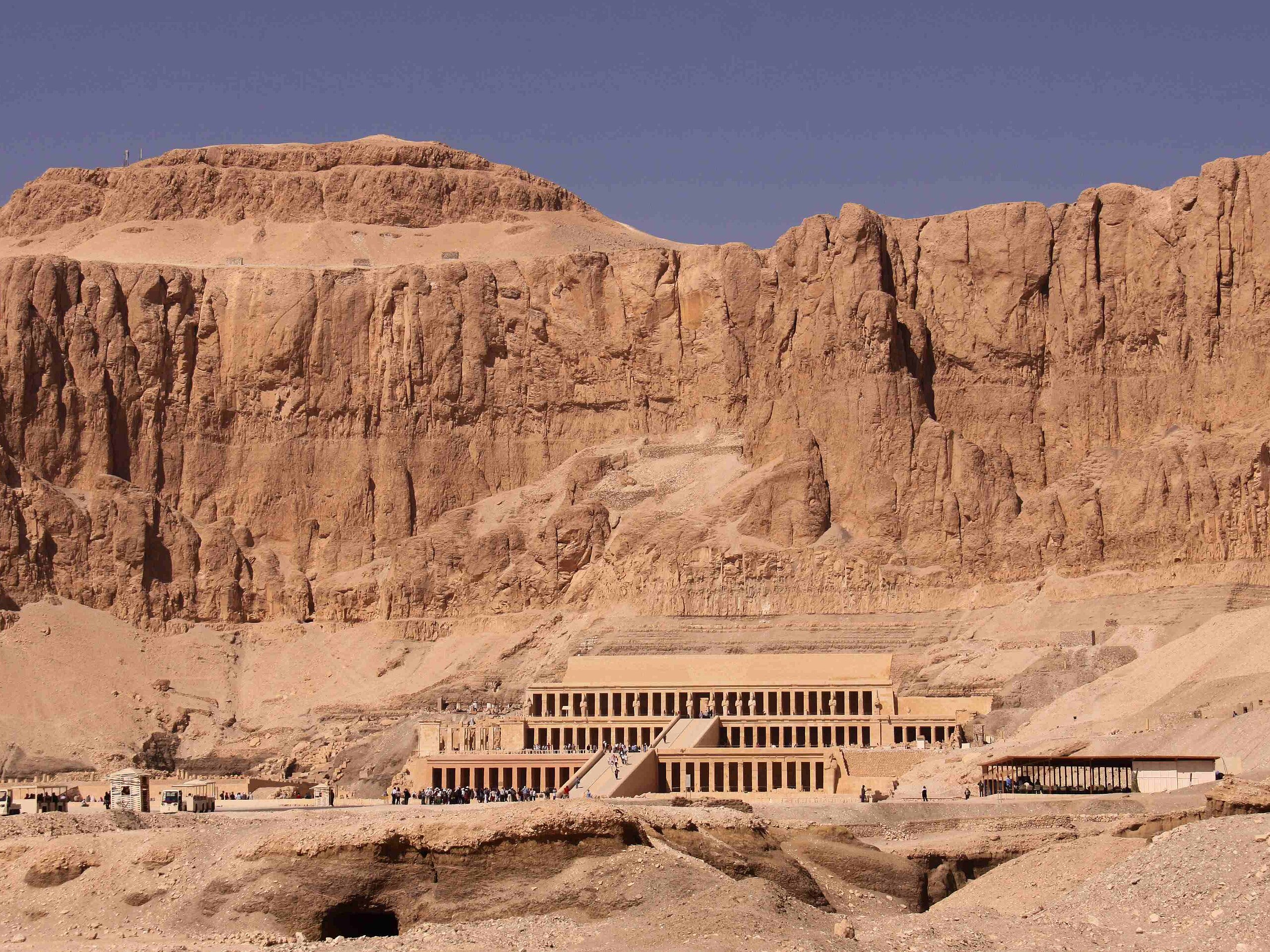
Geotechnical structures
Rock pinnacles, cliffs, and slopes
Technical specifications
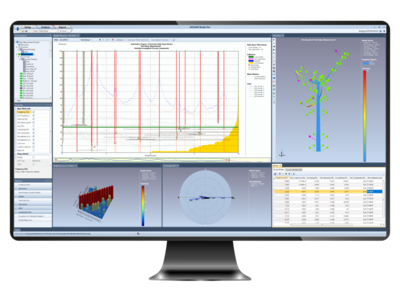
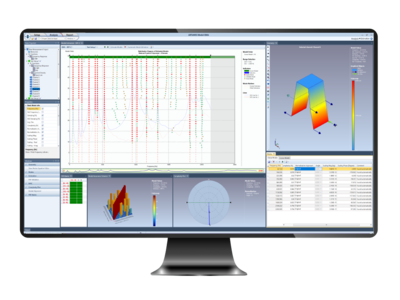
Operational Modal Analysis
- Frequency Domain Decomposition (FDD)
- Enhanced Frequency Domain Decomposition (EFDD)
- Curve‑Fit Frequency Domain Decomposition (CFDD)
- Subspace System Identification (SSI)
- Data‑driven SSI (SSI‑Data)
- Various weighting matrices including UPC, PC and CVA
- Crystal Clear SSI
Result Validation
- Animation: Mode shape animation for intuitive validation
- Uncertainty Analysis: Using the SSI‑UPCX module, uncertainties in modal parameters can be determined via confidence intervals without repeating the modal analysis
- MAC: Validation by comparing results from different modal analysis methods (e. g. EFDD and SSI), or comparing numerical and experimental modal parameters using the Modal Assurance Criterion
- Complexity: For structures with classical structural damping, eigenmodes should exhibit low imaginary parts, which is a suitable validation criterion
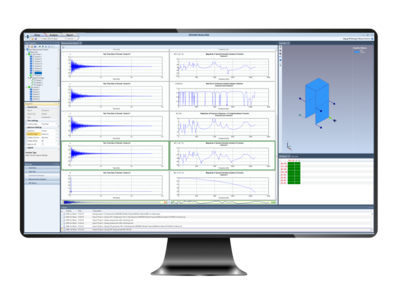
Experimental Modal Analysis
- Peak Picking (PP) / Complex Mode Indicator Function (CMIF)
- Rational Fraction Polynomial in the Z‑Domain (RFP‑Z)
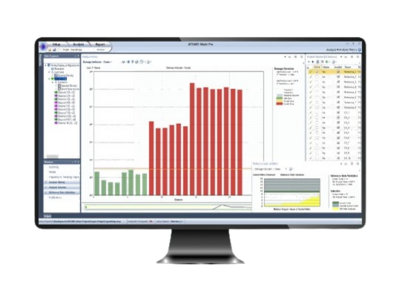
Monitoring
- Data Acquisition: Automated data upload modules, e. g. from HBM, Dewesoft, National Instruments, SINUS Messtechnik and HGL Dynamics
- Modal Parameter Tracking: Automated tracking during continuous measurements (short‑ or long‑term tests)
- Early Warning Systems: Detection of even minimal parameter changes using statistical control charts (e. g. Hotelling T² test)
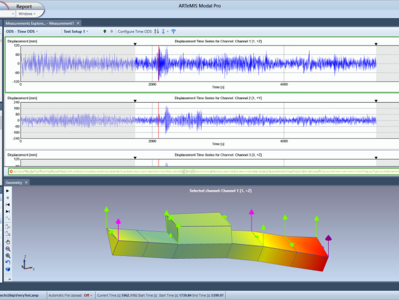
Operating Deflection Shapes
- ODS in the time domain
- ODS in the frequency domain
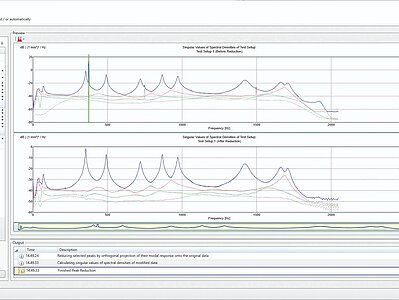
Signal preprocessing
- Detection and elimination of spurious harmonics
- Outlier detection
- Signal reconstruction
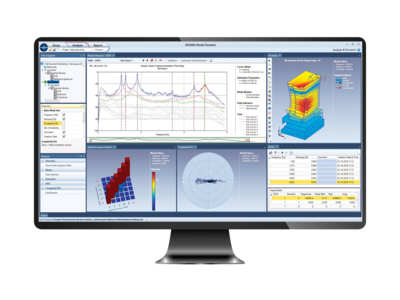
Special tests
Multi‑setup Measurements: There is only a limited number of sensors available? The software allows multiple measurements to be merged into a global vibration response, provided one to three reference channels remain fixed at the same measurement locations.
Versions
ARTeMIS Modal is available in several versions, ranging from fundamental frequency‑domain methods to advanced stochastic identification techniques. We help you select the optimal version, onboard your engineers, and provide technical support for both practical and theoretical questions.
Basis
Modal analysis at an attractive entry‑level price
- OMA: Frequency‑domain OMA (FDD)
- ODS: Time‑ and frequency‑domain ODS
- Expandable with: Harmonic Detection & Reduction, Experimental Modal Analysis, Direct Data Acquisition
Standard
All features of the Basic version – plus advanced evaluation methods
- OMA: EFDD, CFDD
- Validation: Internal & external results (OMA, EMA, ODS)
- Possible Expansion: Harmonic Detection & Reduction, Experimental Modal Analysis, Direct Data Acquisition
Pro
All features of the Standard version – plus maximum analysis and monitoring depth
- OMA (time domain): SSI‑UPC, SSI‑PC, SSI‑CVA, SSI‑UPCX, SSI‑UPC Merged
- Monitoring (SHM): Modal parameter tracking, damage detection, automated data import, interstory drift
- Possible Expansion: Harmonic Detection & Reduction, Experimental Modal Analysis, Direct Data Acquisition, Modal parameter tracking, Damage detection module, Automated file upload, Interstory drift analysis
Do you have any questions?
Feel free to reach out to me!
-
 Dr. habil. Alexander Mendler
+49 (89) 85602-150 +49 (89) 85602-111 alexander.mendler@mbbm-ind.com Planegg/Munich