Electromagnetic fields (EMF)
Precise analyses for safe and interference-free environments
Electromagnetic fields play a central role in our daily lives, from communication technology to medical diagnostics. They are generated by electric charges and currents and influence numerous devices and applications. People can also be affected by electromagnetic fields. Understanding and controlling electromagnetic fields is essential to minimize potential risks.
Our Expertise in Electromagnetic fields

Occupational safety
including wearers of active medical devices such as pacemakers (EMFV, TREMF)
The EMFV is the German regulation for protecting employees from electromagnetic fields. To facilitate its practical application in the workplace, the regulation was supplemented after its enactment by the Technical Rules (TREMF), which also include limit values for assessing users of active and passive body aids.
Your Benefits:
- Health Protection and Safety: We support you in complying with the EMFV and the associated Technical Rules (TREMF) to ensure the health and safety of your employees regarding exposure to electromagnetic fields. This protects staff from potential health effects such as tissue heating and interference with active and passive body aids (e.g., pacemakers).
- Efficient Risk Assessment: Our accredited measurement and calculation methods form the basis for conducting risk assessments and deriving protective measures. We hold the required expertise to perform risk assessments for exposure to electromagnetic fields (EMF) in workplaces in accordance with DGUV Principle 303‑006.
- Legal Compliance: With our measurement data, you can ensure compliance with legal requirements, minimizing the risk of legal consequences.
- Individual assessment: On request, individual protective measures can be derived, tailored to the implant. This enables a quick and safe reintegration of the affected employees.
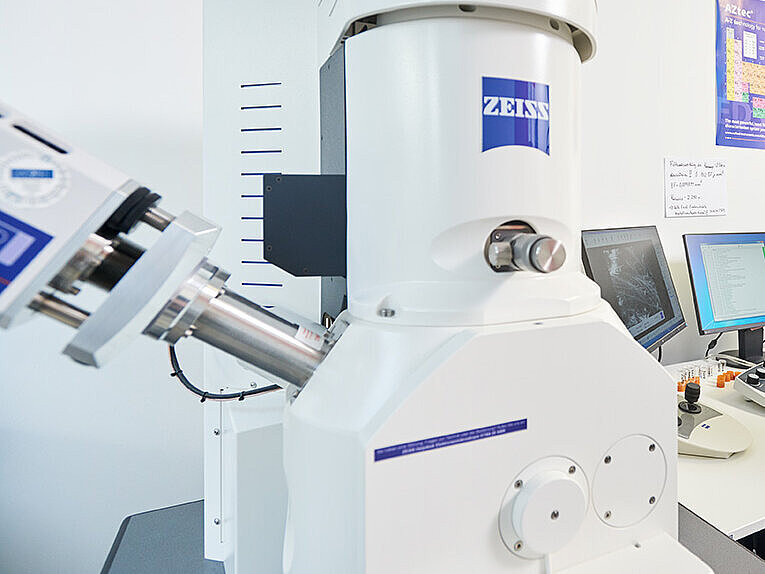
Construction consulting
for devices sensitive to magnetic fields (e.g. electron microscopes, electron beam lithography)
In modern research facilities, clinics, and industrial plants, magnetically sensitive equipment is increasingly being used. To ensure the trouble-free operation of these devices, it is essential to create a suitable environment. We support you from the design phase through execution planning and tendering to final approval. In doing so, we draw on decades of experience from successfully completed projects.
Your Benefits:
- Planning Reliability and Cost Efficiency: Potentially disruptive magnetic field sources are identified as early as the design phase, and planning guidelines are derived from them. This helps avoid costly compensation measures and design changes at an early stage.
- Interference-Free Operation: We assist with execution planning (optimization of electrical planning, room layout, shielding and compensation measures) to ensure the functionality of highly sensitive equipment and systems.
- Future-Proofing: Next-generation devices and systems place increasingly stringent demands on the magnetic environment. Forward-looking planning is therefore essential to remain competitive in the long term.
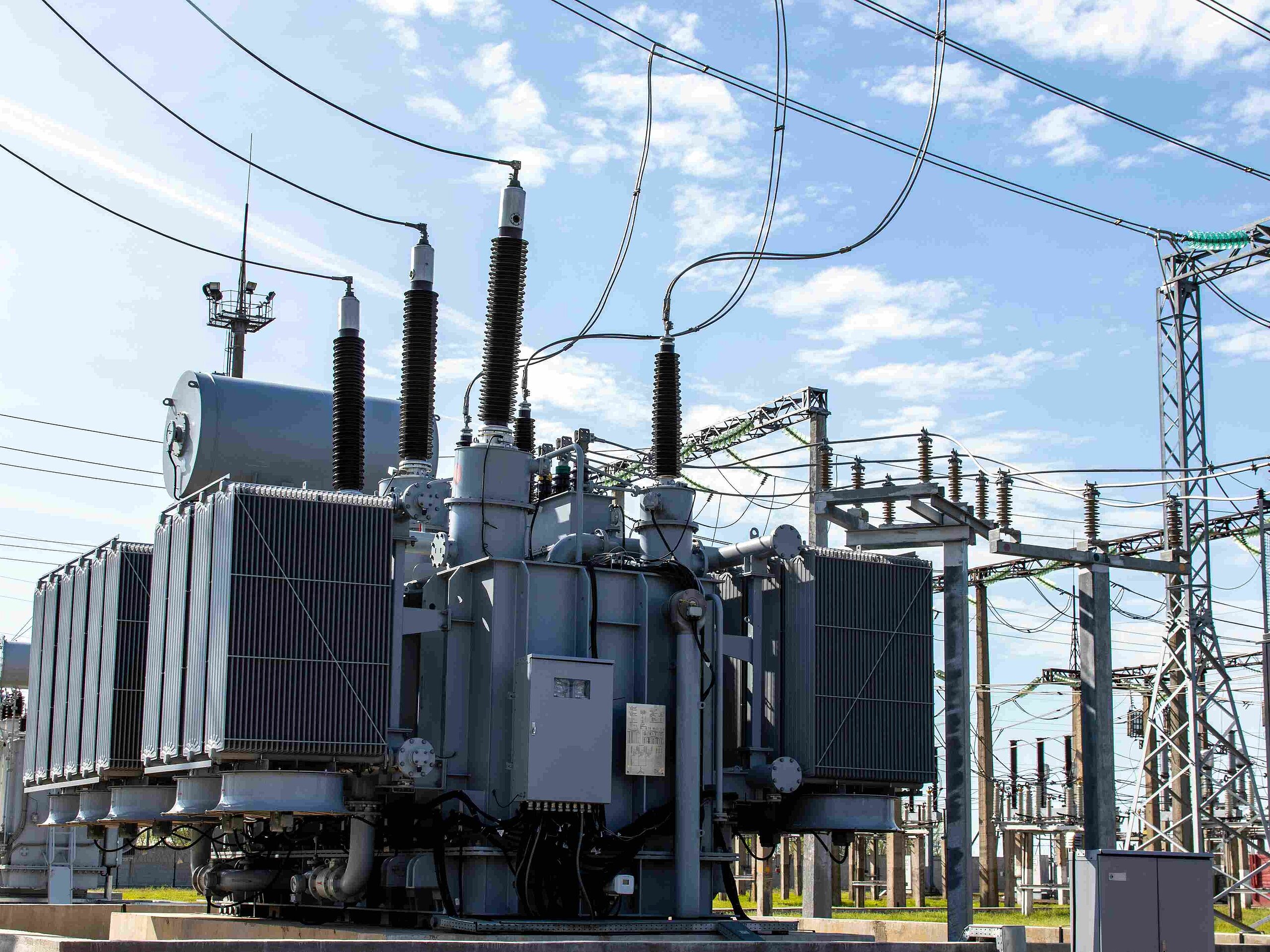
Immission control (26th Federal Immission Control Ordinance, LAI notes, 26th Federal Immission Control Ordinance Implementation Regulation)
The 26th BImSchV is the German regulation for protecting the general public from electromagnetic fields. To facilitate its practical application, the regulation has been supplemented by the LAI guidelines and the administrative regulation. We support you with modern measurement and calculation methods, as well as extensive expertise and decades of experience, to ensure compliance with these regulations. This includes DC systems (e.g., battery storage), low-frequency systems (e.g., substations), and high-frequency systems (e.g., mobile communications).
Your Benefits:
- Health Protection: Our measurements and calculations help prevent harmful environmental impacts caused by electromagnetic fields.
- Preventive Measures: We assist you in implementing the minimization requirement to reduce emissions from installations and thereby increase public acceptance.
- Legal Compliance: As part of the approval process, we assess compliance with the relevant specifications and limit values. Our expert reports are suitable for submission to approval authorities. This creates planning and legal certainty.
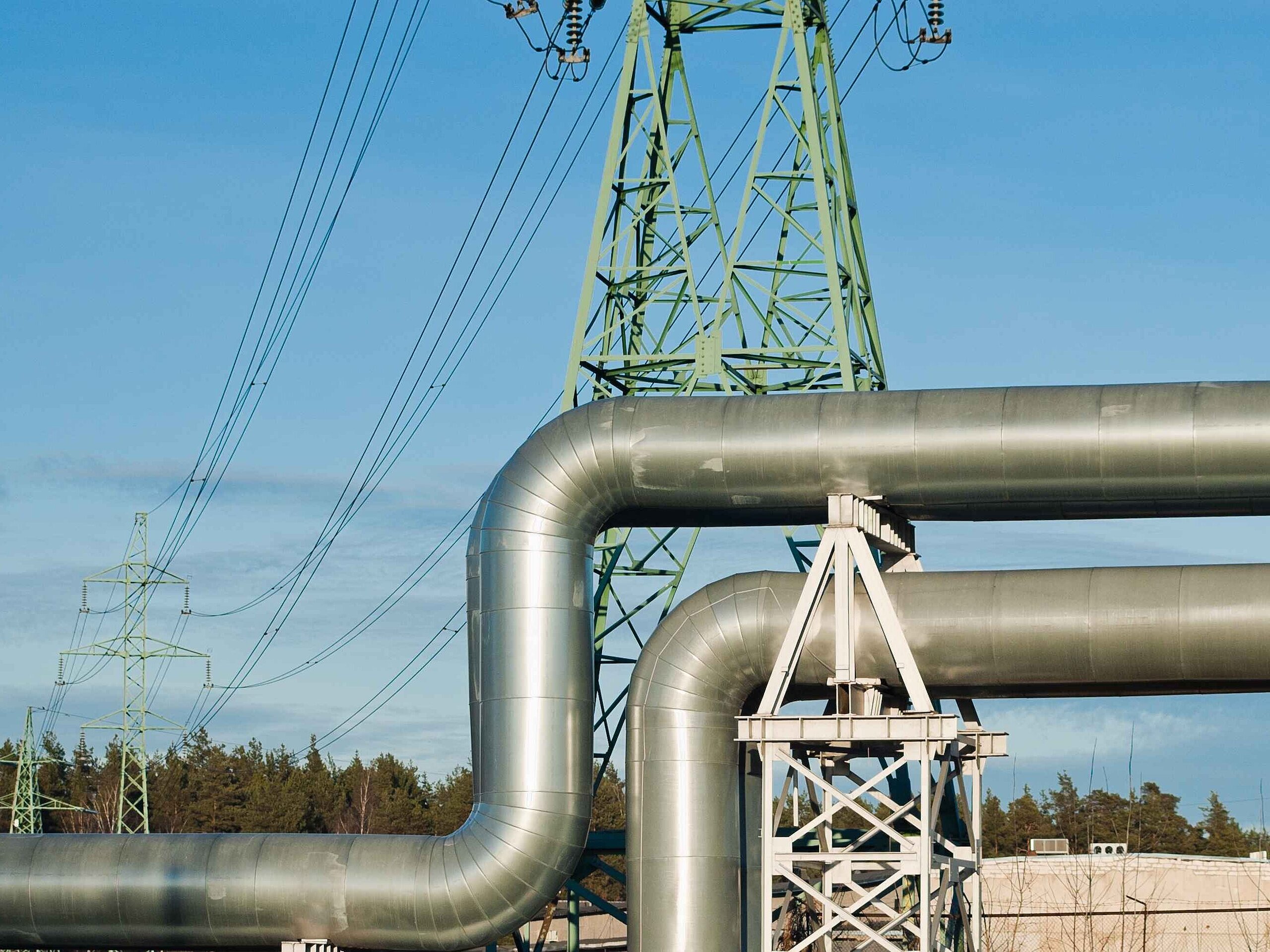
High‑voltage interference of technical infrastructure (gas and drinking water pipelines)
(e.g. gas and drinking water pipelines)
Due to the expansion of renewable energy, transmission networks in Germany are being significantly increased. As a result, increased electromagnetic interference (“EMC interference”) may affect technical infrastructures such as gas and drinking water pipelines.
In principle, two types of high‑voltage interference affecting technical infrastructure can be distinguished:
- Personal safety: The DVGW set of technical rules GW 22‑1 to GW 22‑5 ensures the safe operation of pipelines in the vicinity of high‑voltage installations with regard to personal safety. It defines limit values, calculation methods and protective measures to exclude hazards to humans caused by induced alternating voltages.
- Corrosion protection: The technical guideline DVGW GW 28 addresses the assessment of corrosion risk caused by alternating current (AC) on cathodically protected (CP), buried steel pipelines, as well as appropriate protective measures.
Our experts are qualified in the field of high‑voltage interference (HVI) in accordance with DVGW worksheet GW 29. This enables us to support operators of high‑voltage three‑phase systems (such as overhead lines or cables), AC railway systems, as well as operators of technical infrastructures such as gas and drinking water pipelines in the following tasks:
- Analytical calculation of induced voltages and AC current densities on pipelines or telecommunication lines in the vicinity of high‑voltage three‑phase systems and AC railway systems
- Assessment based on the limit values specified in GW 22‑1 with regard to personal safety
- In the event of limit value exceedance: development of suitable measures to ensure the safe operation of the affected pipeline
- Assessment of AC‑induced corrosion risk for cathodically protected steel pipelines and definition of appropriate protective measures in accordance with GW 28
Do you have any questions?
Feel free to reach out to me!
-
 Frank Dauenhauer
+49 (89) 85602-3299 +49 (89) 85602-111 frank.dauenhauer@mbbm-ind.com Planegg/Munich