Lighting assessment of a refuse‑derived fuel power plant
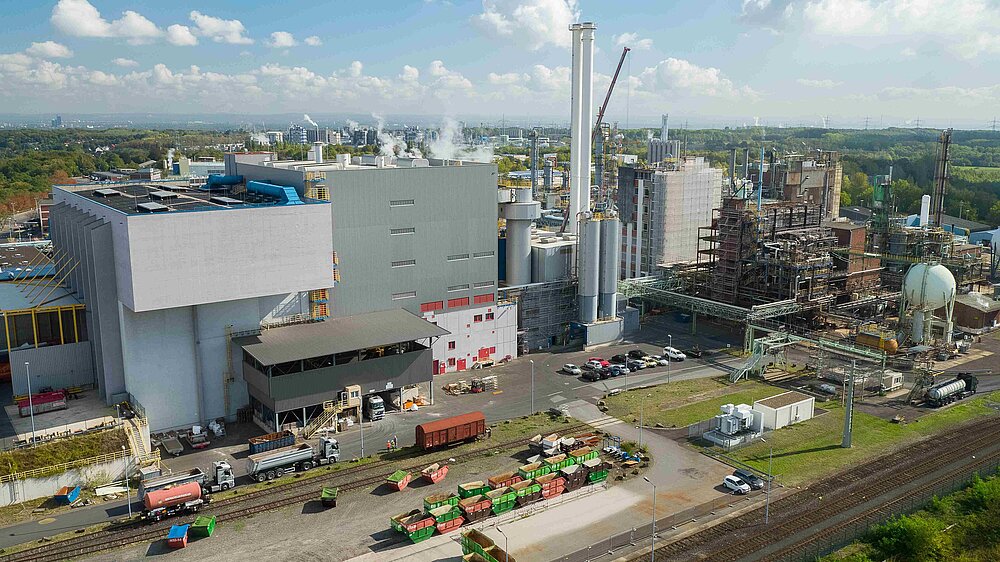
At the refuse‑derived fuel power plant operated by EEW Energy from Waste Saarbrücken GmbH at the Knapsack Chemical Park, high‑tech energy generation meets complex operational processes – along with lighting that must provide optimal conditions for occupational safety around the clock. Müller‑BBM Industry Solutions was commissioned to carry out a comprehensive lighting assessment of the facility. The aim was to determine whether the indoor and outdoor lighting systems meet the applicable lighting requirements and to identify potential opportunities to enhance safety, efficiency and workplace comfort.
At a glance
| Client: | EEW Energy from Waste Saarbrücken GmbH |
| Industry: | Thermal waste recovery |
| Object: | Refuse‑derived fuel power plant |
| Expertise: | Workplace lighting measurement |
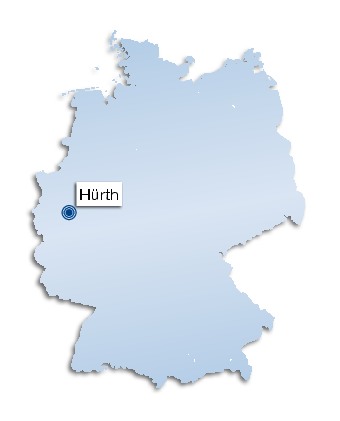
| Location & period: | Hürth, North Rhine‑Westphalia August and November 2024 |
Initial situation
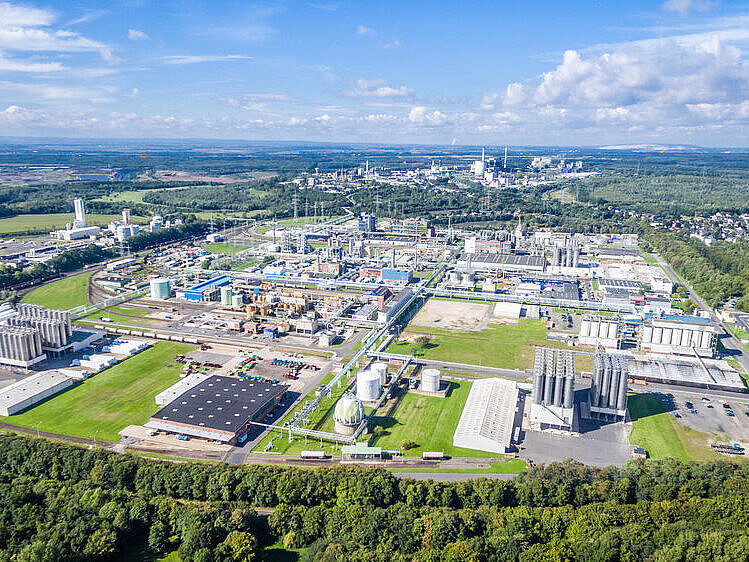
EEW Energy from Waste Saarbrücken GmbH (EEW) operates a refuse‑derived fuel power plant at the Knapsack Chemical Park. The facility uses processed residual materials to efficiently and environmentally responsibly generate heat and power.
Mission
A lighting assessment was carried out for the power plant site. Müller‑BBM Industry Solutions examined the quality of the indoor and outdoor lighting systems in work and break areas, as well as in delivery zones and parking areas. Using extensive lighting measurements, it was possible to verify whether the existing lighting meets the applicable lighting requirements in accordance with ASR A3.4.
Measurement
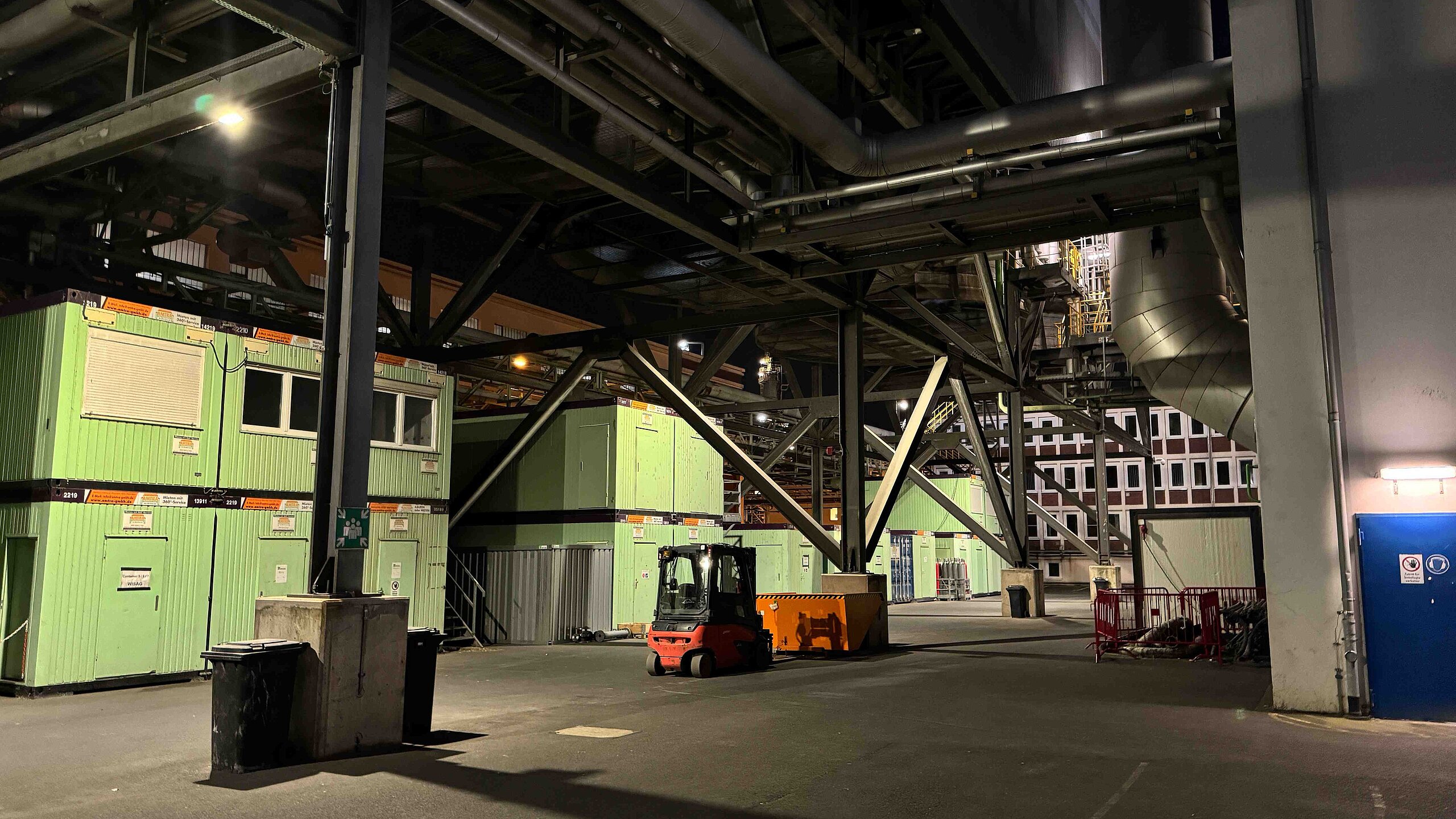
The lighting measurements were carried out under controlled conditions at nighttime to ensure completely reliable results. All indoor and outdoor luminaires were operated at their maximum stable output. Temperature and weather conditions were documented but had no relevant influence on the measurement results.
Result
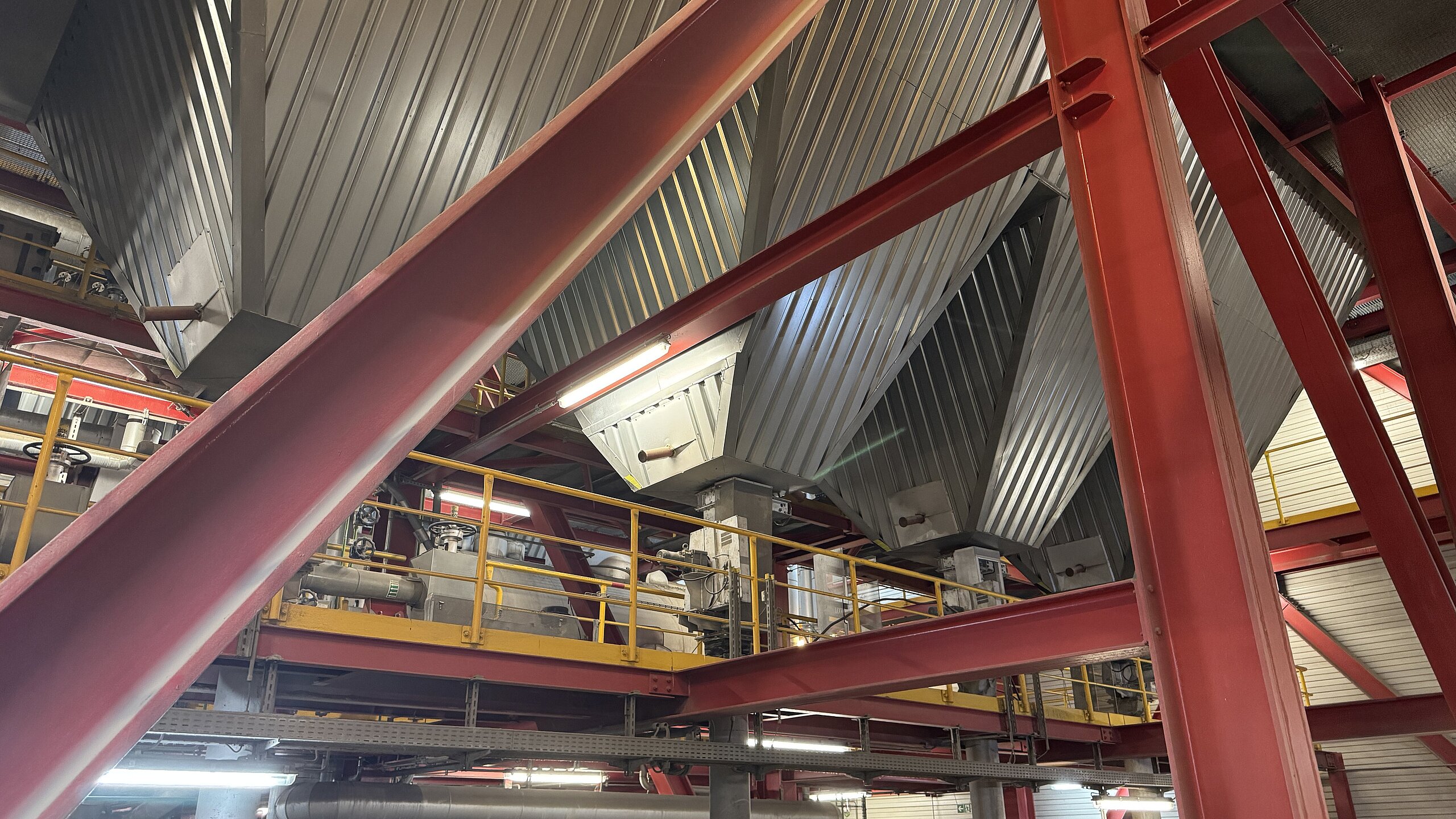
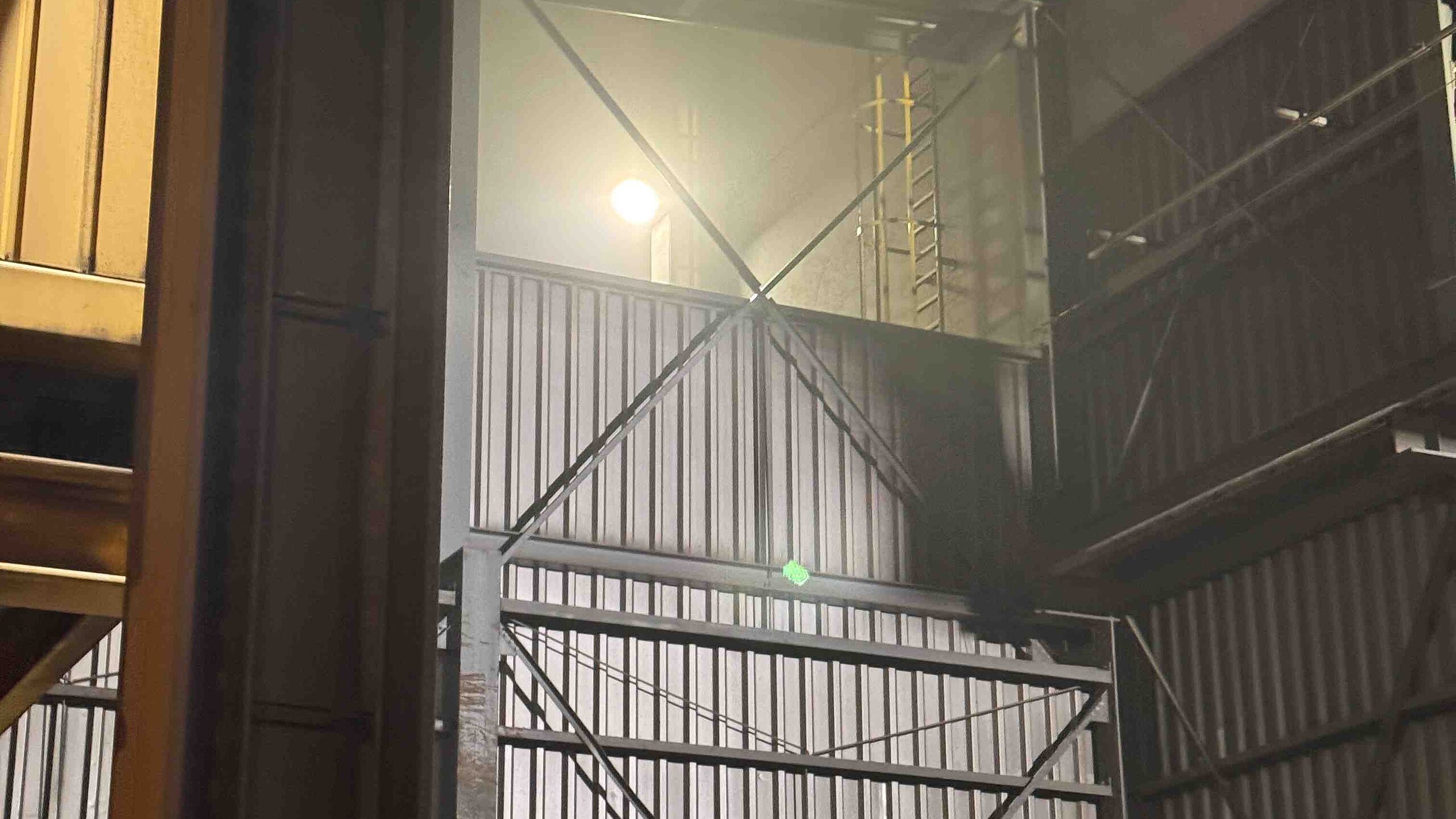
The lighting measurements showed that the illumination in the operations building and the outdoor areas largely meets the requirements of ASR 3.4. However, in technical areas such as the boiler house, the flue‑gas cleaning system, and parts of the engine room, there are isolated locations where improvements are needed because the required illuminance levels are not achieved.
Upgrades already carried out – for example, linear luminaires with a higher number of lamps – have delivered good results and offer a suitable solution for additional areas. At the same time, a few glare‑intensive spotlights were identified whose alignment or technology should be optimized, to avoid visual impairment and reduce the risk of accidents.
Regular cleaning of soiled luminaires would further help stabilize the lighting levels. For areas that continue to fall short of the specifications, targeted lighting optimization by a specialized lighting designer is recommended.